lewis pumps instruction manual
Lewis Pumps: A Comprehensive Instruction Manual Guide
Navigating the world with precision, Lewis Pumps offer versatile solutions, accessible via Android and iOS platforms, mirroring Google Earth’s expansive reach and detailed mapping capabilities.
Lewis Pumps represent a cornerstone in fluid transfer technology, offering reliable solutions across diverse applications. Much like Google Maps provides detailed exploration, Lewis Pumps deliver precision in moving liquids and gases. These pumps, available in various configurations – mirroring the accessibility of platforms like Android and iOS – are designed for both simplicity and robust performance;
This comprehensive instruction manual serves as your guide to understanding, operating, and maintaining Lewis Pumps effectively. Whether you’re a seasoned professional or a first-time user, this resource will equip you with the knowledge to maximize pump efficiency and longevity. We aim to provide clarity, similar to the panoramic Street View offered by Google Maps, ensuring safe and productive operation. Explore the functionalities and unlock the full potential of your Lewis Pump.
What is a Lewis Pump and its Applications?
A Lewis Pump is a positive displacement pump designed to efficiently transfer fluids by utilizing a reciprocating action. Similar to how Google Earth allows virtual exploration, Lewis Pumps facilitate the physical movement of substances. These pumps excel in applications requiring precise volume control and consistent pressure, making them invaluable across numerous industries.
Common applications include fluid transfer in laboratories, chemical processing, oil and gas operations, and various industrial settings. They are frequently employed for metering, dispensing, and transferring liquids that demand accuracy. The versatility of Lewis Pumps, much like the diverse datasets available through Google Maps, allows adaptation to a wide range of fluid types and operational requirements. Their robust construction ensures reliable performance, mirroring the dependability of Google’s services.
Types of Lewis Pumps
Lewis Pumps manifest in several configurations, each tailored for specific operational needs, much like the varied views offered by Google Earth – from Street View panoramas to 3D models. Hand-operated pumps provide portability and control, ideal for applications where electricity isn’t available. Foot-operated models offer hands-free operation, enhancing efficiency in certain processes.
Electric Lewis Pumps deliver consistent performance and higher flow rates, suitable for demanding industrial applications. These automated versions, akin to Google’s automated map updates, minimize manual effort and maximize throughput. The choice depends on factors like fluid viscosity, required pressure, and operational environment. Understanding these distinctions, similar to navigating Google Maps’ features, is crucial for selecting the optimal pump for a given task. Each type ensures reliable fluid transfer.
Hand-Operated Lewis Pumps
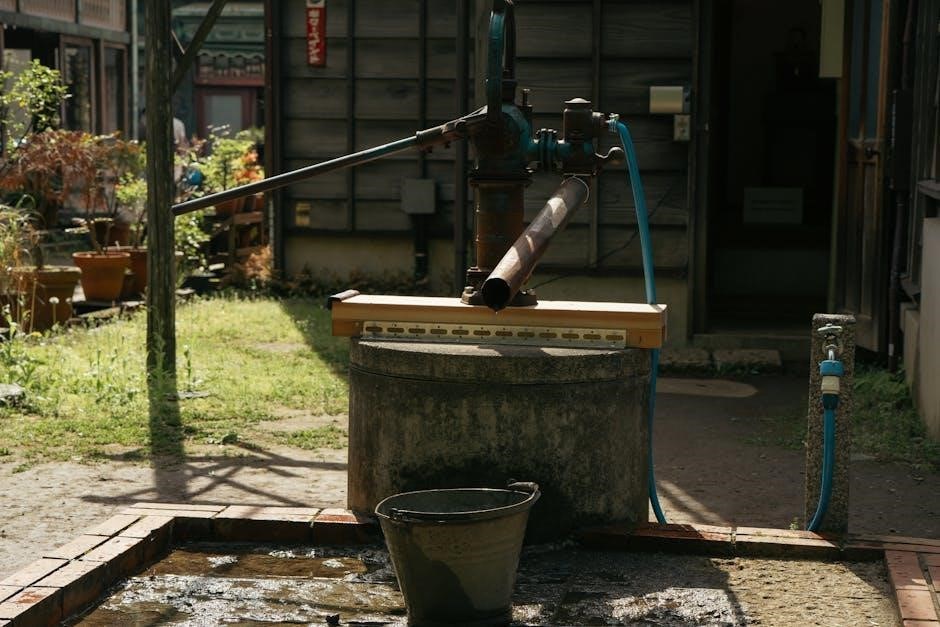
These pumps embody simplicity and portability, offering a manual solution for fluid transfer, much like exploring a location via Google Maps’ basic map view. Operation relies on direct human force applied to a lever or piston, creating suction and displacement. They are exceptionally useful in remote locations or situations lacking electrical power, mirroring the offline map functionality available on mobile devices.
Hand-operated Lewis Pumps are ideal for low-volume applications, such as transferring small amounts of oil or chemicals; Regular inspection of seals and levers is vital for maintaining optimal performance. Their robust construction ensures durability, similar to Google Earth’s stable platform. Proper technique minimizes operator fatigue and maximizes efficiency, ensuring reliable operation wherever needed.
Foot-Operated Lewis Pumps
Foot-operated Lewis Pumps provide a hands-free pumping solution, enhancing efficiency and reducing operator strain, akin to navigating Google Maps with voice commands. Utilizing a foot pedal mechanism, these pumps convert downward pressure into fluid movement, ideal for continuous or repetitive tasks. They are commonly found in workshops or laboratories where maintaining clean hands is crucial, mirroring the detailed Street View panoramas.
The ergonomic design of foot pumps minimizes fatigue during prolonged use. Regular checks of the pedal mechanism and hose connections are essential for safe and reliable operation. Like exploring diverse locations with Google Earth, these pumps offer versatility. Ensure the pump is placed on a stable surface to prevent accidental movement during operation, guaranteeing consistent performance and longevity.
Electric Lewis Pumps
Electric Lewis Pumps represent the pinnacle of convenience and efficiency, mirroring the automated route planning of Google Maps and its Transit features. These pumps utilize an electric motor to drive the pumping mechanism, offering consistent performance and reduced physical exertion; They are ideal for high-volume applications or situations requiring precise pressure control, similar to exploring 3D maps.
Prior to operation, always verify the power source and ensure proper grounding. Regularly inspect the power cord for damage and avoid operating the pump in wet environments. Like Google Images’ comprehensive search, these pumps deliver reliable results. Electric models often feature adjustable speed settings and automatic shut-off functions, enhancing safety and control during operation, offering a seamless user experience.
Understanding the Components
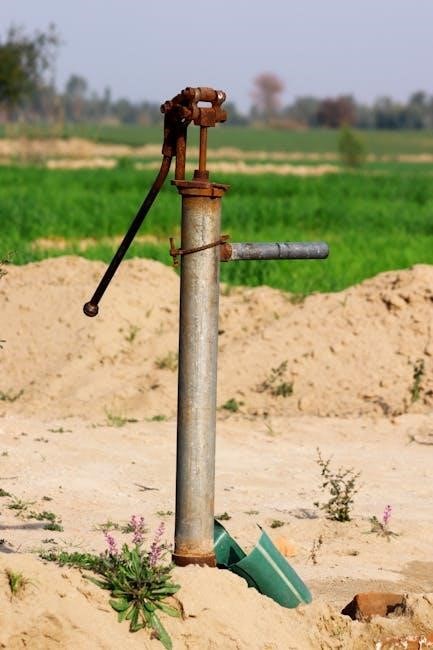
Like Google Earth’s detailed imagery, Lewis Pumps consist of a robust body, cylinder, piston, hoses, a crucial pressure gauge, and an air release valve for optimal function.
Pump Body and Construction Materials
The pump body, akin to the foundational layers of Google Maps, is typically constructed from durable materials designed to withstand consistent use and varying environmental conditions. Common materials include high-grade aluminum alloys, known for their lightweight nature and corrosion resistance, or robust cast iron, offering exceptional strength and stability for demanding applications;
The selection of material directly impacts the pump’s longevity and suitability for specific fluids. Certain models may utilize stainless steel for enhanced chemical resistance, mirroring Google Street View’s ability to capture diverse environments. Internal surfaces are often treated with protective coatings to prevent wear and maintain optimal performance. Careful consideration is given to material compatibility to ensure the pump body remains structurally sound and prevents contamination of the pumped medium, much like the accuracy of data presented on Google Earth.
Cylinder and Piston Assembly
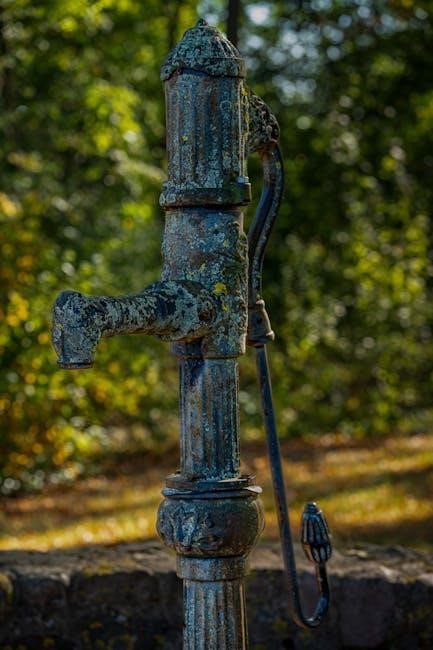
The cylinder and piston assembly, functioning as the core of the pumping action, operates on principles of displacement, similar to how Google Maps navigates routes. The cylinder, a precision-honed tube, houses the piston, a tightly fitted component that reciprocates to create suction and discharge. Materials commonly include hardened steel or specialized polymers, chosen for their wear resistance and smooth sliding characteristics.
Piston seals, crucial for maintaining pressure, are often made from materials like nitrile rubber or Viton, ensuring a leak-proof operation, much like the detailed 3D models in Google Earth. The assembly’s design prioritizes efficient energy transfer and minimal friction. Regular inspection and replacement of piston seals are vital for sustained performance, mirroring the continuous updates and improvements found within Google’s mapping services.
Hose Connections and Fittings
Secure hose connections are paramount for safe and efficient pump operation, akin to the reliable data streams powering Google Maps’ Street View. Fittings typically employ threaded or quick-connect mechanisms, ensuring a robust and leak-proof seal. Materials range from brass and stainless steel to durable polymers, selected based on fluid compatibility and pressure requirements.
Proper tightening is crucial; over-tightening can damage fittings, while under-tightening risks leaks, mirroring the precision needed for accurate location data. Regularly inspect hoses for cracks, abrasions, or signs of deterioration, similar to Google’s image blurring for privacy. Compatibility between hose material and the pumped fluid is essential to prevent degradation and maintain system integrity, just as Google adapts content for different regions.
Pressure Gauge and its Function
The pressure gauge is a vital component, providing real-time monitoring of system pressure, much like Google Maps offers detailed navigation. Gauges display pressure in PSI, Bar, or kPa, allowing operators to track performance and prevent over-pressurization. Regular calibration is essential for accuracy, ensuring reliable readings comparable to the precision of Google Earth’s mapping data.
Understanding the gauge’s range is critical; exceeding the maximum pressure can cause damage or failure, mirroring the potential consequences of inaccurate data. Observe pressure fluctuations during operation – consistent readings indicate stable performance, while erratic behavior suggests potential issues. Just as Google Images provides comprehensive visual searches, the pressure gauge offers a clear indication of system health. Always heed the gauge’s readings and adjust operation accordingly.
Air Release Valve
The air release valve is a crucial safety feature, functioning similarly to Google’s automatic blurring of faces and license plates in Street View – protecting the system. This valve automatically vents trapped air from the pump and connected lines, preventing airlocks that hinder efficient operation and potentially cause damage. Regular inspection ensures it’s free from debris, maintaining optimal performance, much like Google Transit updates schedules.
Air pockets can create pressure spikes and inaccurate readings, mirroring the inaccuracies of outdated maps. The valve’s proper function guarantees consistent pressure and smooth operation. It’s especially important after initial setup or maintenance, releasing any introduced air. Like exploring the world with Google Maps, a functioning air release valve ensures a reliable and safe pumping experience. Ignoring this valve can lead to system inefficiencies and potential hazards.
Operating Instructions
Before commencing, meticulously review all components, ensuring secure hose connections, similar to planning a journey with Google Maps’ detailed directions and 3D views.
Pre-Operation Checks
Prior to initiating pump operation, a thorough inspection is paramount for safety and optimal performance. Begin by visually examining the pump body for any signs of physical damage, such as cracks or dents, mirroring the detailed street-level views offered by Google Maps’ Street View feature.
Next, meticulously check all hose connections and fittings, ensuring they are securely tightened to prevent potential leaks – akin to verifying routes before embarking on a journey. Confirm the pressure gauge is functioning correctly, displaying a zero reading when the pump is idle. Inspect the air release valve, verifying it moves freely.
Furthermore, assess the piston assembly, ensuring smooth movement within the cylinder. If using an electric pump, confirm the power cord is undamaged and properly grounded. Finally, familiarize yourself with the emergency procedures, much like understanding local information when exploring with Google Earth, preparing for any unforeseen circumstances during operation.
Step-by-Step Pumping Procedure
To commence pumping, ensure all pre-operation checks are completed. For hand or foot-operated pumps, begin with slow, deliberate strokes, gradually increasing speed as resistance builds, similar to planning a detailed route with Google Maps’ directions. Monitor the pressure gauge consistently.
With electric pumps, activate the power switch and observe the pressure increase. Avoid exceeding the pump’s maximum pressure rating. Utilize the air release valve to regulate pressure as needed, preventing over-inflation. Regularly check hose connections during operation for any signs of loosening or leakage.
Maintain a steady rhythm and avoid abrupt stops or starts. Remember, consistent operation yields optimal results, much like exploring the world consistently with Google Earth. Should any unusual noises or vibrations occur, immediately cease operation and troubleshoot the issue.
Monitoring Pressure Levels
Consistent pressure monitoring is crucial during operation. Regularly observe the pressure gauge, ensuring it remains within the recommended operating range for your specific application. Avoid exceeding the maximum pressure, as this can lead to equipment failure or safety hazards, similar to carefully navigating complex terrain with Google Maps’ 3D views.
Note any fluctuations or drops in pressure, which may indicate leaks or other issues. Utilize the air release valve to fine-tune pressure as needed, maintaining optimal performance. Compare current readings to previous benchmarks to identify potential problems early on.
Treat pressure monitoring with the same diligence as exploring Street View panoramas – attention to detail is key. Document pressure levels periodically for tracking and maintenance purposes, ensuring long-term pump reliability.
Safe Operating Practices
Prioritize safety during all phases of operation. Always wear appropriate personal protective equipment, including safety glasses and gloves, mirroring the careful image blurring for privacy in Google Street View. Ensure the work area is clear of obstructions and well-ventilated, much like planning a route with detailed directions in Google Maps.
Never operate the pump beyond its specified pressure limits. Inspect hoses and connections before each use for signs of damage or wear. Avoid modifying the pump in any way, as this could compromise its safety features.
Familiarize yourself with emergency shutdown procedures. Treat high-pressure systems with respect, understanding the potential hazards. Regular training and adherence to these practices will ensure a safe and efficient working environment.
Maintenance and Troubleshooting
Consistent upkeep is vital; like exploring global locations via Google Maps’ Street View, regular checks reveal issues, ensuring optimal pump performance and longevity.
Regular Maintenance Schedule
Establishing a consistent maintenance routine is paramount for extending the lifespan and ensuring the reliable operation of your Lewis Pump. Similar to how Google Earth users meticulously update maps with current data, your pump requires periodic attention.
Weekly: Inspect all hose connections for cracks, wear, or looseness. Tighten fittings as needed. Visually examine the pump body for any signs of damage or corrosion.
Monthly: Check the air release valve for proper function, ensuring it opens and closes smoothly. Lubricate the piston assembly with a suitable pump lubricant (refer to the pump’s specifications). Verify the pressure gauge accuracy against a known standard.
Annually: Disassemble the cylinder and piston assembly for a thorough cleaning and inspection. Replace worn seals or O-rings. Inspect the pump body internally for corrosion or damage. Consider professional servicing for a comprehensive overhaul, mirroring the detailed exploration offered by Google Maps’ 3D views.
Troubleshooting Common Issues
Encountering operational hiccups with your Lewis Pump is not uncommon; however, systematic troubleshooting can swiftly restore functionality. Much like navigating unfamiliar terrain with Google Maps’ Street View, a methodical approach is key.
Pump Fails to Build Pressure: Verify the hose connections are secure and free from leaks. Check the air release valve is closed. Inspect the piston assembly for damage or worn seals.
Air Leaks Present: Tighten all fittings. Examine hoses for punctures or cracks – replace if necessary. Apply sealant to threaded connections if leaks persist.
Hose Damage: Immediately discontinue use. Replace damaged hoses with manufacturer-approved replacements. Ensure the new hose is correctly sized and securely connected, similar to the precision of Google Earth’s data layers.
Pump Not Building Pressure
If your Lewis Pump isn’t achieving the desired pressure, a systematic investigation is crucial. Begin by meticulously checking all hose connections, ensuring they are tightly secured and free from any visible cracks or damage – akin to verifying data integrity in Google Earth’s mapping system.
Next, confirm the air release valve is firmly closed. An open valve will prevent pressure accumulation. Inspect the piston and cylinder assembly for wear or damage. Worn piston rings or a scored cylinder wall will compromise the pump’s ability to create a seal and build pressure.
Finally, examine the pump body for any cracks or leaks. A compromised pump body can’t maintain internal pressure. Remember, consistent maintenance, like regular map updates in Google Maps, prevents larger issues.
Air Leaks in the System
Detecting air leaks is paramount for efficient Lewis Pump operation. Begin by visually inspecting all hose connections, fittings, and the pump body itself for any signs of damage or wear – similar to scrutinizing Street View imagery for anomalies. A soapy water solution applied to connections can reveal escaping air bubbles.
Tighten any loose fittings, but avoid over-tightening, which could cause further damage. If a hose exhibits cracks or punctures, it must be replaced immediately. Examine the piston and cylinder assembly; a poor seal here is a common leak source.
Remember, maintaining a leak-free system is vital, much like ensuring accurate data in Google Transit for reliable route planning. Address leaks promptly to preserve pump performance and safety.
Hose Damage and Replacement
Hoses are vulnerable to wear and tear, requiring regular inspection – akin to checking Street View panoramas for updates. Look for cracks, bulges, abrasions, or kinks along the hose length. Any visible damage compromises the pump’s efficiency and safety, potentially leading to air leaks or burst hoses.
When replacing a hose, always disconnect the pump from any power source and depressurize the system. Ensure the replacement hose is the correct type, size, and pressure rating specified for your Lewis Pump model. Securely attach the new hose, tightening fittings firmly but cautiously.
Proper hose maintenance, like detailed mapping in Google Maps, ensures reliable performance. Discard damaged hoses responsibly and store replacements in a cool, dry place.
Cleaning and Storage
Maintaining cleanliness extends the pump’s lifespan, much like regularly updated imagery in Google Earth enhances its value. After each use, wipe down the pump body with a damp cloth to remove dirt, grime, and any residual fluids. Avoid abrasive cleaners or solvents that could damage the pump’s finish or internal components.
For storage, choose a dry, well-ventilated location, protected from extreme temperatures and direct sunlight. Disconnect all hoses and fittings, and store them separately to prevent damage. If storing for an extended period, consider applying a light coat of lubricant to the piston and cylinder to prevent corrosion.
Proper storage, similar to archiving map data, ensures the pump is ready for its next operation.
Safety Precautions
Prioritize safety like Google’s blurring of faces in Street View; always follow guidelines, handle high-pressure systems cautiously, and know emergency procedures thoroughly.
General Safety Guidelines
Before operating a Lewis Pump, a thorough understanding of its components and operational procedures is paramount, mirroring the detailed exploration offered by Google Maps’ Street View. Always inspect the pump for any visible damage, including cracks in the body, worn hoses, or a malfunctioning pressure gauge – akin to verifying data accuracy before creating a map.
Ensure the work area is clear of obstructions and well-ventilated. Never exceed the pump’s maximum pressure rating, as this could lead to catastrophic failure, similar to the potential inaccuracies when building a map with incomplete data. Wear appropriate personal protective equipment (PPE), including safety glasses and gloves, to protect against potential hazards.
Regularly check hose connections for tightness and integrity, preventing leaks that could cause injury. Familiarize yourself with the location and operation of the air release valve. Treat all pressurized systems with respect, understanding the potential energy stored within, much like appreciating the power of detailed geographical information available through Google Earth.
Handling High-Pressure Systems
Lewis Pumps, when operating at high pressures, demand strict adherence to safety protocols, echoing the precision required when navigating with Google Maps’ 3D views. Never attempt to modify or repair the pump while it is pressurized; always depressurize the system completely before any maintenance, similar to verifying data integrity before map publication.
Inspect hoses and fittings regularly for signs of wear or damage, replacing them immediately if necessary – akin to updating map data for accuracy. Use only genuine replacement parts to ensure compatibility and maintain system integrity. Be aware of the potential for stored energy within the pressurized system, even after the pump is switched off, much like the persistent nature of geographical data.
Avoid sudden movements or jarring impacts to the pump or connected hoses while pressurized. Always direct the discharge stream away from personnel and sensitive equipment. Understand the limitations of the pump and its components, respecting the power of pressurized fluids, mirroring the comprehensive exploration offered by Google Earth.
Emergency Procedures
In the event of a hose rupture or leak with a Lewis Pump, immediately shut off the pump and isolate the pressure source, mirroring the swift response needed when identifying inaccuracies in Google Maps Street View. Evacuate the immediate area and ensure adequate ventilation, similar to prioritizing user safety when exploring virtual environments.
If personnel are exposed to the pumped fluid, flush the affected area with copious amounts of water and seek medical attention. Have readily available a first-aid kit and emergency contact information, much like having reliable navigation tools during a journey. Report any incidents to the appropriate safety personnel, documenting the event thoroughly.
For electrical pumps, disconnect the power supply before attempting any intervention. Be familiar with the location of emergency shut-off switches and the procedures for activating them. Regularly review and practice emergency drills to ensure a swift and effective response, reflecting the continuous updates and improvements in Google Earth’s data.